
Bringing Medication to Georgia | إحضار الأدوية إلى جورجيا: الممنوع والمسموح
Bringing Medication to Georgia: What’s Prohibited, What’s Permitted
Georgia’s Revenue Service enforces strict rules on bringing medicines across the border — especially narcotic drugs and psychotropic substances. Here’s what every traveler should know before packing their medication.
Substances You Cannot Bring Without Documentation
It is illegal to import narcotic drugs, psychotropic substances, and their combined substitutes into Georgia without valid medical documentation. This includes medications containing:
- Methadone, Methylphenidate, Methamphetamine
- Pregabalin, Tianeptine, Tramadol
- Fentanyl, Tilidine
- Alprazolam, Flunitrazepam
- Acetyldihydrocodeine, Dihydrocodeine, Codeine, Nicodicodine, Nicocodine, Norcodeine, Pholcodine, Ethylmorphine, and their combined preparations
- Ephedrine, Norephedrine, Pseudoephedrine, and their combined preparations
- Buprenorphine and its combined preparations
- Any other narcotic drug or psychotropic substance listed under Georgian law
Illegal import or export of these substances is a criminal offence under Georgia’s Criminal Code and is punishable by law.
If You Need These Medications for Personal Treatment
Travelers who genuinely need controlled medications for personal treatment may import up to a 31-day supply, but only with the following documents:
- A copy of the prescription, translated into English and certified by the authorized agency in your home country
- A copy of the prescribing physician’s certificate, also translated into English and certified
- A document signed and sealed by an authorized person confirming the validity of the prescription and certificate
The permitted quantity is calculated as a daily dose multiplied by the number of days of your visit (for tourism, business, treatment, or personal invitation). Georgian citizens follow the same daily-dose calculation method.
Sharing or transferring these medications to another person is strictly prohibited, even between travel companions.
Regular Medications (Not Subject to Special Control)
- You may bring up to 10 standard packs of personal-use medication into or out of Georgia — including medicines not registered in Georgia — without needing any medical documentation.
- If you need more than 10 standard packs, you’ll need medical documentation, with the quantity justified by daily dose × number of days of your visit.
Special Circumstances
If a foreign traveler cannot leave Georgia and runs out of their necessary narcotic or psychotropic medication supply, they may be prescribed replacement medication locally. This requires visiting a relevant medical institution, submitting a customs-certified document as legal basis, and having the prescription issued according to standard Georgian medical procedure.
Legal References
- Law of Georgia on Narcotics, Psychotropic Substances, Precursors and Narcological Assistance
- Decree No. 22/n (22 January 2004) of the Minister of Labor, Health and Social Affairs of Georgia — approved list of medications subject to special control and their legal circulation rules
- Law of Georgia on New Psychotropic Substances
Source: Georgia Revenue Service (rs.ge) official customs brochure.
Important: A Common Myth Worth Correcting
A rumor circulates among Gulf travelers that “Panadol is banned in Georgia.” This isn’t quite accurate, and it’s worth clearing up so travelers don’t panic or, worse, assume the opposite and pack the wrong medicine.
Plain Panadol (paracetamol only) is not restricted. It is not a controlled substance and is not on Georgia’s prohibited list. What’s actually banned is a specific version: Panadol Extra, and similar combination painkillers like Fevadol Plus, which contain both paracetamol and codeine — an opioid. Georgia treats codeine-containing medications as controlled narcotics, and Georgia’s own Ministry of Foreign Affairs has specifically named Panadol Extra and Fevadol Plus as examples of what travelers should not bring in.
This isn’t a minor technicality. In a widely reported case, two French tourists were detained in Georgia after customs found a codeine-containing painkiller in their luggage — a medication that was completely legal and available on prescription in their home country. Georgian law does not recognize foreign prescriptions for banned substances, and codeine-based medicines are treated strictly regardless of where they were prescribed.
The practical rule for travelers: check the ingredient label, not just the brand name you recognize. If a painkiller’s name includes “Extra,” “Plus,” “Co-,” or if codeine, tramadol, or dihydrocodeine appears in the ingredients, it falls under the special-control rules described above (or should not be brought at all). Plain paracetamol alone is safe to bring with no restrictions.
إحضار الأدوية إلى جورجيا: الممنوع والمسموح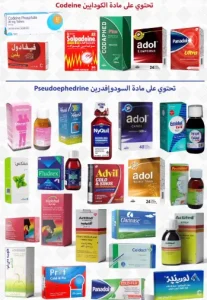
تفرض مصلحة الإيرادات الجورجية قواعد صارمة على إدخال الأدوية عبر الحدود — خاصة العقاقير المخدرة والمؤثرات العقلية. إليك ما يجب أن يعرفه كل مسافر قبل تحضير أدويته.
المواد التي لا يمكن إحضارها دون وثائق
يُعد إدخال العقاقير المخدرة والمؤثرات العقلية وبدائلها المركبة إلى جورجيا دون وثائق طبية سارية أمراً غير قانوني. يشمل ذلك الأدوية المحتوية على:
- ميثادون، ميثيلفينيديت، ميثامفيتامين
- بريغابالين، تيانبتين، ترامادول
- فنتانيل، تيليدين
- ألبرازولام، فلونيترازيبام
- أسيتيل ديهيدروكودئين، ديهيدروكودئين، كودئين، نيكوديكودين، نيكوكودين، نوركودئين، فولكودين، إيثيلمورفين، ومستحضراتها المركبة
- إفيدرين، نورإفيدرين، سودوإفيدرين، ومستحضراتها المركبة
- بوبرينورفين ومستحضراته المركبة
- أي عقار مخدر أو مؤثر عقلي آخر مدرج بموجب القانون الجورجي
يُعتبر الإدخال أو الإخراج غير القانوني لهذه المواد جريمة جنائية بموجب قانون العقوبات الجورجي ويعاقب عليها القانون.
إذا كنت بحاجة لهذه الأدوية للعلاج الشخصي
يُسمح للمسافرين المحتاجين فعلياً لأدوية خاضعة للرقابة لغرض العلاج الشخصي باستيراد كمية تكفي 31 يوماً، وذلك فقط بالوثائق التالية:
- نسخة من الوصفة الطبية، مترجمة إلى الإنجليزية ومصدّقة من الجهة المختصة في بلدك
- نسخة من شهادة الطبيب الذي أصدر الوصفة، مترجمة ومصدّقة أيضاً
- وثيقة موقعة ومختومة من جهة مخوّلة تؤكد صحة الوصفة والشهادة
تُحسب الكمية المسموح بها بضرب الجرعة اليومية في عدد أيام الزيارة (للسياحة، العمل، العلاج، أو الدعوة الشخصية). يتبع المواطنون الجورجيون طريقة الحساب نفسها.
يُمنع منعاً باتاً مشاركة أو نقل هذه الأدوية لأي شخص آخر، حتى بين رفاق السفر.
الأدوية العادية (غير الخاضعة للرقابة الخاصة)
- يمكنك إحضار حتى 10 عبوات قياسية من الأدوية للاستخدام الشخصي إلى جورجيا أو منها — بما في ذلك الأدوية غير المسجلة في جورجيا — دون الحاجة لأي وثائق طبية.
- إذا احتجت إلى أكثر من 10 عبوات قياسية، ستحتاج لوثائق طبية، مع تبرير الكمية بضرب الجرعة اليومية في عدد أيام الزيارة.
حالات خاصة
إذا لم يتمكن مسافر أجنبي من مغادرة جورجيا ونفدت كمية دوائه الضرورية، يمكن صرف دواء بديل له محلياً. يتطلب ذلك التوجه إلى مؤسسة طبية مختصة، وتقديم وثيقة مصدّقة من الجمارك كأساس قانوني، وإصدار الوصفة وفق الإجراءات الطبية الجورجية المعتادة.
المراجع القانونية
- قانون جورجيا بشأن المخدرات، المؤثرات العقلية، السلائف، والمساعدة الناركولوجية
- المرسوم رقم 22/n (22 يناير 2004) الصادر عن وزير العمل والصحة والشؤون الاجتماعية في جورجيا — قائمة الأدوية الخاضعة للرقابة الخاصة وقواعد تداولها القانوني
- قانون جورجيا بشأن المؤثرات العقلية الجديدة
المصدر: كتيب الجمارك الرسمي الصادر عن مصلحة الإيرادات الجورجية (rs.ge).
مهم: تصحيح شائعة متداولة
تنتشر بين المسافرين الخليجيين شائعة مفادها أن “بانادول ممنوع في جورجيا”. هذا غير دقيق تماماً، ومن المهم توضيحه حتى لا يصاب المسافرون بالذعر، أو الأسوأ، يفترضون العكس ويحضرون الدواء الخاطئ.
بانادول العادي (باراسيتامول فقط) غير مقيّد إطلاقاً. فهو ليس مادة خاضعة للرقابة وليس مدرجاً في قائمة الممنوعات الجورجية. المُمنوع فعلياً هو إصدار محدد: بانادول إكسترا (Panadol Extra)، ومسكنات مركبة مشابهة مثل فيفادول بلس (Fevadol Plus)، والتي تحتوي على الباراسيتامول بالإضافة إلى الكودئين — وهو مادة أفيونية. تعامل جورجيا الأدوية المحتوية على الكودئين كمخدرات خاضعة للرقابة، وقد ذكرت وزارة الخارجية الجورجية نفسها بانادول إكسترا وفيفادول بلس كأمثلة على ما لا ينبغي على المسافرين إحضاره.
هذا ليس تفصيلاً بسيطاً. في حادثة تم تداولها إعلامياً على نطاق واسع، تم احتجاز سائحتين فرنسيتين في جورجيا بعد أن عثرت الجمارك على مسكن ألم يحتوي على الكودئين في أمتعتهما — وهو دواء كان قانونياً تماماً ومتوفراً بوصفة طبية في بلدهما الأصلي. لا يعترف القانون الجورجي بالوصفات الطبية الأجنبية للمواد الممنوعة، وتُعامل الأدوية المحتوية على الكودئين بصرامة بغض النظر عن مكان وصفها.
القاعدة العملية للمسافرين: تحقق من مكونات الدواء المدونة على العبوة، وليس فقط من اسم الماركة الذي تعرفه. إذا تضمن اسم المسكن كلمة “إكسترا” أو “بلس” أو “كو-“، أو إذا ظهر الكودئين أو الترامادول أو ديهيدروكودئين ضمن المكونات، فإنه يخضع للقواعد الخاصة بالرقابة المذكورة أعلاه (أو لا ينبغي إحضاره إطلاقاً). أما الباراسيتامول وحده فآمن للإحضار دون أي قيود.