Street Dogs in Georgia | الكلاب الشاردة في جورجيا
Street Dogs in Georgia: What Travelers Should Know
For visitors from the GCC, Georgia’s street dogs can be a real culture shock. In much of the Gulf, free-roaming dogs are rare and generally avoided. In Georgia, it’s the opposite — and understanding why will help you enjoy your trip without unnecessary fear.
Why Georgian Street Dogs Are Different
- Locals treat street dogs as shared neighborhood pets — feeding them, building small shelters, and even naming them.
- They are highly socialized around people, traffic, and noise, and are not wild animals.
- A dog may walk beside you or sit near your table — this is usually just hoping for food or attention, not a threat.
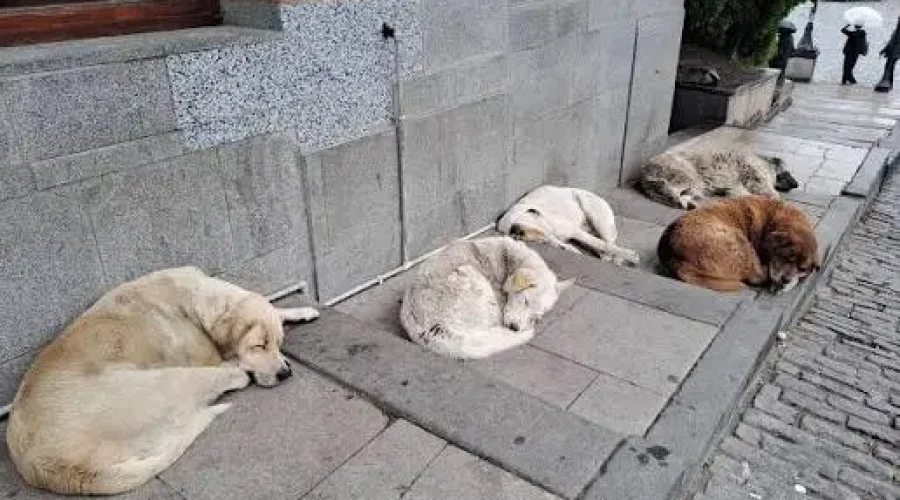
- In Tbilisi and Batumi, it’s common to see dogs sleeping openly on busy sidewalks, completely at ease around people.
Understanding the Ear Tags
Colorful plastic ear tags mean the dog was captured by municipal vets, checked for disease, vaccinated against rabies, sterilized, and released back to its neighborhood. The color simply reflects the year, district, or clinic — it says nothing about temperament. A tagged dog is generally the safest kind of street dog to be near, since its vaccination status is on record.
If You Want Them to Leave You Alone
- Ignore them and keep walking at a normal pace — indifference works better than reacting.
- Never run; it can trigger a chase instinct even in a friendly dog.
- Avoid screaming or sudden arm movements, which can read as a threat.
- Don’t throw stones — locals protect these dogs, and this can cause real conflict.
If You Want to Interact Safely
- Let a dog sniff your shoes or trousers with your hands down — that’s how they say hello.
- Never wake or approach a sleeping dog abruptly.
- If feeding, drop food on the ground rather than offering it from your fingers.
Cities vs. Mountains: The Rules Change
In cities (Tbilisi, Batumi, Kutaisi): street dogs are relaxed and used to tourists — low risk.
In rural and mountain areas (Svaneti, Kazbegi, Gudauri): you may encounter Caucasian Shepherds (Nagazi) — large livestock guardian dogs that see humans as potential threats to their flock. If you see sheep:
- Stop walking toward the flock.
- Look for the shepherd and wait for them to signal the dogs to stand down.
- If a guard dog barks and approaches, stand still, don’t run, and back away slowly while facing it.
If You’re Bitten or Scratched
Take any bite, nip, or scratch seriously — rabies risk exists in Georgia’s wildlife. Steps to follow:
- Wash the wound with soap and running water for a full 15 minutes right away.
- In Tbilisi, go to the Preventive Medicine and Immunization Centre at 10a Tashkenti St., Saburtalo. Rabies and tetanus vaccination is available 24/7 there.
- Expect a course of several shots over about a month. Keep your official invoice from each visit and submit it to your travel insurance for reimbursement — travel insurance is legally required to enter Georgia, so this cost should be covered.
الكلاب الشاردة في جورجيا: ما يجب أن يعرفه المسافر
بالنسبة لزوار دول الخليج، قد تشكل الكلاب الشاردة في جورجيا صدمة ثقافية حقيقية. ففي معظم دول الخليج، الكلاب الشاردة نادرة ويُتجنب الاقتراب منها غالباً. أما في جورجيا، فالوضع معاكس تماماً — وفهم السبب سيساعدك على الاستمتاع برحلتك دون خوف لا داعي له.
لماذا تختلف الكلاب الشاردة في جورجيا؟
- يتعامل الجورجيون مع الكلاب الشاردة كحيوانات أليفة مشتركة في الحي — يطعمونها ويبنون لها مأوى صغيراً بل ويسمونها.
- هذه الكلاب متأقلمة بشدة مع الازدحام البشري والحركة المرورية والضوضاء، وليست بريّة.
- قد يسير كلب بجانبك أو يجلس قرب طاولتك — وهذا غالباً بحثاً عن الطعام أو الاهتمام، وليس تهديداً.
- في تبليسي وباتومي، من الشائع رؤية كلاب نائمة بارتخاء تام على الأرصفة المزدحمة، مطمئنة تماماً حول البشر.
فهم الشرائح البلاستيكية في الأذن
الشرائح البلاستيكية الملونة تعني أن الكلب تم اصطياده من قبل الأطباء البيطريين البلديين، وفُحص للتأكد من خلوه من الأمراض، وتم تطعيمه ضد داء الكلب، وتعقيمه، ثم أُعيد إلى حيه. اللون لا يشير إلى طبع الكلب، بل يعكس فقط سنة التنفيذ أو الحي أو العيادة البيطرية. الكلب الذي يحمل شريحة يُعتبر عموماً الأكثر أماناً بين الكلاب الشاردة، لأن حالته الصحية موثقة.
إذا أردت أن يبتعد عنك الكلب
- تجاهله واستمر بالمشي بخطى طبيعية — عدم الاهتمام أفضل من أي رد فعل.
- لا تركض أبداً — فهذا قد يحفز غريزة المطاردة حتى عند كلب ودود.
- تجنب الصراخ أو تحريك يديك بشكل مفاجئ، فقد يفسرها الكلب كتهديد.
- لا ترمِ الحجارة — فالسكان المحليون يحمون هذه الكلاب، وقد يسبب ذلك مشكلة حقيقية معهم.
إذا أردت التفاعل بأمان
- دع الكلب يشم حذاءك أو بنطالك مع إبقاء يديك للأسفل — هذه طريقته في التحية.
- لا توقظ كلباً نائماً أو تقترب منه فجأة.
- إذا أردت إطعامه، ضع الطعام على الأرض بدلاً من تقديمه بأصابعك.
المدن مقابل الجبال: القواعد تختلف
في المدن (تبليسي، باتومي، كوتايسي): الكلاب الشاردة هادئة ومعتادة على السياح — درجة الخطورة منخفضة جداً.
في المناطق الريفية والجبلية (سفانيتي، كازبيغي، غودوري): قد تصادف كلاب الراعي القوقازية (ناغازي) — كلاب حراسة ماشية ضخمة ترى البشر تهديداً محتملاً لقطيعها. إذا رأيت قطيع أغنام:
- توقف عن التقدم نحو القطيع.
- ابحث عن الراعي وانتظر حتى يأمر الكلاب بالتهدئة.
- إذا نبح كلب الحراسة واقترب منك، قف ثابتاً، لا تركض، وابتعد ببطء وأنت تواجهه.
إذا تعرضت لعضة أو خدش
تعامل مع أي عضة أو خدش أو نهشة بجدية، فخطر داء الكلب موجود في الحياة البرية في جورجيا. الخطوات الواجب اتباعها:
- اغسل الجرح بالماء الجاري والصابون لمدة 15 دقيقة كاملة فوراً.
- في تبليسي، توجه إلى مركز الطب الوقائي والتطعيمات الواقع في شارع تاشكنتي رقم 10 أ، منطقة سابورتالو. التطعيم ضد داء الكلب والتيتانوس متوفر هناك على مدار الساعة.
- توقع الحاجة لعدة جرعات موزعة على شهر تقريباً. احتفظ بالفاتورة الرسمية من كل زيارة وقدّمها لشركة التأمين الخاصة بك لاسترداد المبلغ — التأمين الصحي للسفر إلزامي قانونياً لدخول جورجيا، لذا يُفترض أن تكون هذه التكلفة مغطاة.