Islamic Heritage in Georgia | التراث الإسلامي في جورجيا
Islamic Heritage in Georgia: Mosques & Muslim History
Historical Background
Islam first reached Georgia in the 7th century (around 645 CE) during the early Islamic conquests. Georgia’s strategic location brought multiple waves of Islamic influence over the centuries:
- Safavid and Qajar eras: Eastern regions like Kvemo Kartli were deeply influenced by Persian culture, leaving a continuing Shia community.
- Ottoman era: Western Georgia, especially the Adjara region, came under Ottoman control from the 15th century, leading to a vibrant Sunni heritage.
- Soviet era: Many mosques were closed, destroyed, or repurposed in the 20th century, yet faith remained strong.
Today, Georgia stands as a unique global model of religious coexistence where Sunni and Shia Muslims regularly pray together in the same spaces.
Guide to Major Mosques in Georgia
1. Tbilisi Juma Mosque (Central Mosque)
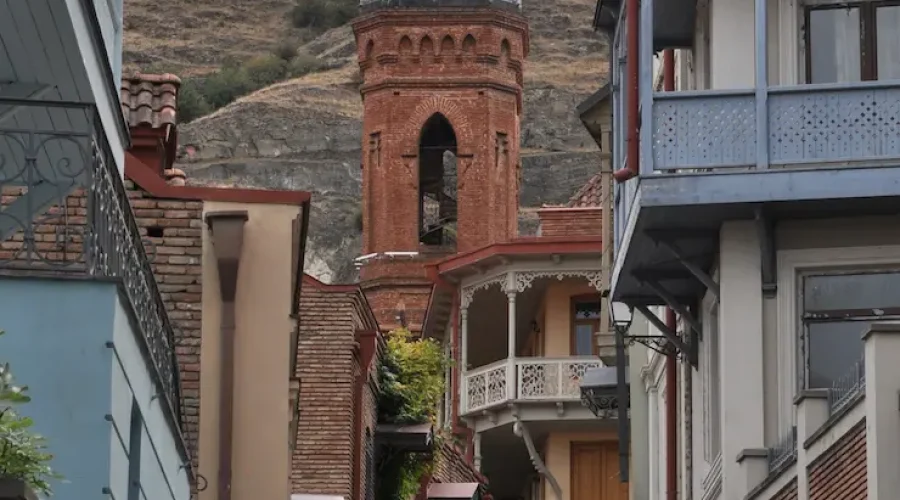
Located in the historic Abanotubani district. After the old Shia mosque was destroyed, this Sunni mosque opened its doors to Shia worshippers. Today, Muslims of both sects pray side by side behind one imam.
Architecture: Mix of brickwork combining Neo-Gothic and Islamic styles with an octagonal minaret.
2. Batumi Central Mosque (Orta Jame)
Built in 1866 by a Georgian Muslim noble family. It is the main active mosque in the Adjara coastal region. Famous for its vibrant pastel-colored hand-painted interior and intricate floral decorations.
Architecture: Traditional Ottoman-Georgian style of the coastal region.
3. Imam Ali Mosque (Marneuli)
This 18th-century historic mosque serves the large Azerbaijani community in Kvemo Kartli, eastern Georgia. It is a vital cultural and spiritual center for the country’s Shia population and contains a large religious library.
Architecture: Classic brick arched facade with a separate 10-meter minaret.
4. Kvirike Wooden Mosque (Adjara)
Dating back to 1861, this rural mosque is one of the oldest surviving wooden mosques in the region. Built by Laz craftsmen and protected as a national cultural monument due to its unique irreplaceable wooden art.
Architecture: Almost entirely wooden with finely hand-carved interior columns.
5. Ahmadia Mosque (Rabati Castle)
Although no longer used for daily congregational prayer, this large 18th-century Ottoman mosque is located inside the fully restored Rabati Castle complex in Akhaltsikhe. It now serves as an architectural masterpiece and museum.
Architecture: Grand domed building designed in the style of Hagia Sophia.
التراث الإسلامي في جورجيا: المساجد والتاريخ الإسلامي
نبذة تاريخية عن الإسلام في جورجيا
وصل الإسلام إلى جورجيا لأول مرة في القرن السابع الميلادي (حوالي عام 645 م) خلال الفتوحات الإسلامية المبكرة. وعلى مدى الألفية التالية، جلب موقع جورجيا الجغرافي موجات من التأثير الإسلامي:
- العهد الصفوي والقاجاري: تأثرت المناطق الشرقية مثل “كفيمو كارتلي” بشكل عميق بالنفوذ الفارسي، مما ترك مجتمعاً شيعياً مستمراً حتى اليوم.
- العهد العثماني: خضعت غرب جورجيا، وخاصة منطقة “أجارا” الساحلية، للسيطرة العثمانية بدءًا من القرن الخامس عشر، مما أدى إلى انتشار الإسلام السني.
- العهد السوفيتي: تم إغلاق العديد من المساجد أو تدميرها خلال القرن العشرين، ومع ذلك ظل الإيمان راسخاً.
اليوم، تقف جورجيا كنموذج عالمي فريد للتعايش الديني حيث يصلي السنة والشيعة جنباً إلى جنب.
دليل المساجد الرئيسية في جورجيا
1. مسجد الجمعة في تبليسي (المسجد المركزي)
يقع في حي أبانوتوباني التاريخي. بعد تدمير المسجد الشيعي، فتح مسجد الجمعة السني أبوابه للمصلين الشيعة. اليوم يصلي أبناء المذهبين خلف إمام واحد.
العمارة: مزيج من الطوب يجمع بين الطراز القوطي الجديد والإسلامي.
2. مسجد باتومي المركزي (أورتا جامع)
بني عام 1866، وهو دار العبادة الرئيسي في أجارا. يشتهر بألوانه الزاهية والزخارف النباتية.
العمارة: الطراز العثماني الجورجي التقليدي.
3. مسجد الإمام علي (مارنيولي)
يخدم الجالية الأذربيجانية في كفيمو كارتلي. مركز ثقافي وروحي هام للشيعة ويحتوي على مكتبة دينية واسعة.
العمارة: واجهة كلاسيكية من الطوب مع مئذنة منفصلة.
4. مسجد كفيريكي الخشبي (أجارا)
يعود إلى عام 1861، وهو أحد أقدم المساجد الخشبية. بناه حرفيون من شعب اللاز وهو محمي كتراث ثقافي.
العمارة: مبنى خشبي بالكامل مع أعمدة منحوتة يدوياً.
5. مسجد الأحمدية (قلعة رباطي)
مسجد عثماني كبير من القرن الثامن عشر داخل مجمع قلعة رباطي المرمم. يُعد اليوم تحفة معمارية ومتحفاً.
العمارة: مبنى ضخم ذو قبة ذهبية على طراز آيا صوفيا.